- Jun 15
Everyone Was Talking About AI. I Kept Thinking About Something Else.
- Casey Cole Corbin
- 0 comments
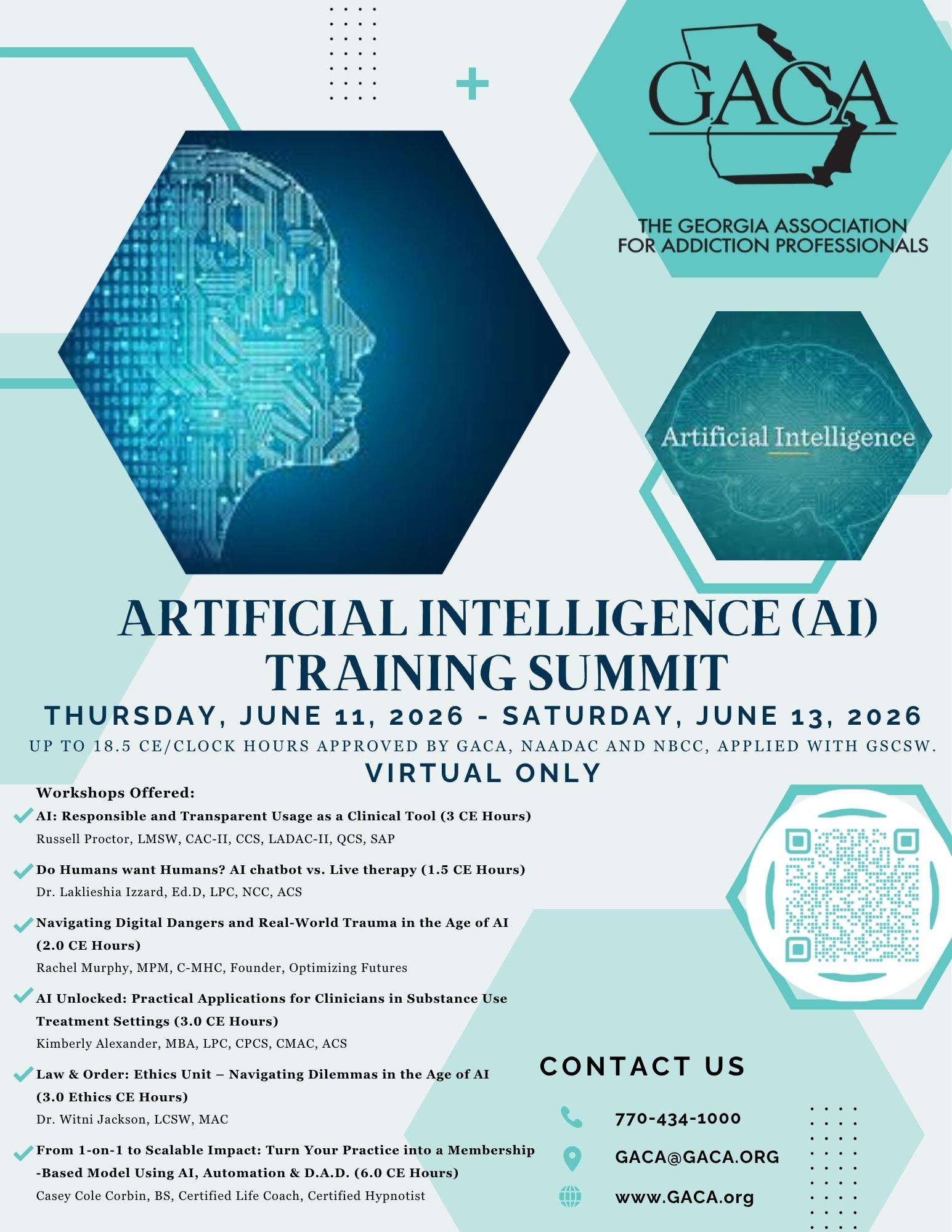
I recently spent three days at an Artificial Intelligence Summit followed by a six-hour workshop that I taught for a group of counselors, therapists, and helping professionals. It was a fascinating experience, not because of the technology itself, but because of the conversations surrounding it. Many of the presentations focused heavily on the dangers of AI, the risks, the ethical concerns, the privacy questions, and the potential for misuse. Those conversations matter. We should be asking difficult questions about how new technologies are used. We should be thoughtful about ethics, privacy, informed consent, and unintended consequences. But after several days of hearing what could go wrong, I noticed something happening in the room. People weren't becoming more informed. Many were becoming more fearful.
At one point, a participant commented that they were leaving feeling scared. I understood the sentiment. If all we hear about is what could go wrong, eventually we begin to view innovation itself as a threat. The interesting thing is that most of us are already surrounded by AI. It helps determine what we see on social media. It influences search results. It powers recommendation engines. It helps write emails. It assists with customer service. It is already integrated into many of the tools we use every day. Whether we participate or not, these technologies are becoming part of the landscape. Fear may be understandable, but it is not a strategy.
What struck me most was that nearly every conversation focused on how AI could help professionals become more efficient. It could write notes, summarize meetings, complete documentation, organize information, and automate routine tasks. There is absolutely value in that. Most people did not enter their profession because they love paperwork. If technology can reduce administrative burdens and create more time for meaningful work, that's a good thing. But I found myself asking a different question.
What happens during the other 167 hours of the week?
Most professionals who help people—whether they are counselors, coaches, consultants, mentors, trainers, managers, teachers, clergy, or leaders—typically spend a very limited amount of time directly interacting with the people they serve. The vast majority of growth, change, success, recovery, implementation, and transformation happens outside that interaction. A powerful conversation can create awareness, but awareness alone rarely changes a life. The real work happens afterward. It happens when someone remembers what they learned. It happens when they apply it. It happens when they practice, struggle, adjust, and continue moving forward.
The challenge most people face is not a lack of information. We live in a world overflowing with information. We have books, podcasts, courses, videos, articles, newsletters, webinars, and endless content available at our fingertips. Most people already know more than enough to improve their lives. The challenge is implementation.
The challenge is taking what we know and consistently applying it.
That realization has changed how I think about technology. While many conversations focus on using AI to make professionals more efficient, I am increasingly interested in how technology can help people become more successful. What if technology could help someone stay engaged with their goals between coaching sessions? What if it could help someone reflect on a difficult day, review a lesson they learned, revisit a homework assignment, or remember a commitment they made to themselves?
What if it could encourage implementation rather than simply deliver information?
Suddenly the conversation becomes much larger than documentation. It becomes a conversation about support. It becomes a conversation about accountability. It becomes a conversation about creating systems that help people follow through. Whether you run a business, lead a team, teach students, coach clients, mentor employees, support a community, or work in healthcare, the question is the same: How do we help people succeed when we're not in the room?
I believe that is where some of the most exciting opportunities exist. Not in replacing human relationships. Not in replacing wisdom, expertise, or experience. Not in replacing human connection. Those things remain irreplaceable. Instead, the opportunity is using technology to extend support beyond the moments when we are physically together. The future may include AI, automation, communities, memberships, cohorts, accountability systems, and countless tools we haven't imagined yet. But the real opportunity isn't the technology itself.
The opportunity is helping people bridge the gap between knowing and doing.
The professionals and organizations that thrive in the years ahead may not be the ones with the fanciest technology. They may be the ones who learn how to combine human connection with systems that help people implement what they already know. Efficiency matters. But impact matters more.
If this article made you think of a counselor, therapist, coach, consultant, mentor, teacher, trainer, manager, pastor, or anyone whose work involves helping people grow and change, I encourage you to forward it to them. The conversation about AI is often dominated by fear or focused exclusively on efficiency. I believe a much more interesting conversation is emerging—one centered on support, implementation, and helping people succeed during the other 167 hours of their week.
-Casey